.png)


The Bay Islands and their colorful culture

The Bay Islands—Roatan, Utila, and Guanaja, along with a number of smaller cays—form one of the most historically rich regions of the Caribbean. Located about 30 miles off the northern coast of Honduras, the islands have long been a combination of different cultures, European empires, pirates, traders, and modern tourism.

Long before Europeans arrived, the islands were inhabited by indigenous peoples connected to the wider cultural networks of Mesoamerica and the Caribbean. Archaeological evidence shows that the islands were part of trading routes linking the mainland of Honduras with the Yucatan Peninsula and other parts of the Caribbean. These early inhabitants, which are the Pesh that now live in mainland Honduras, used the islands as strategic points for fishing, trade, and settlement. Artifacts such as pottery, tools, and ceremonial objects found throughout the islands reflect a vibrant indigenous presence long before colonial times.
Christopher Columbus reached the Bay Islands during his fourth voyage to the Americas in 1502, anchoring in the island of Guanaja. From that moment, the islands became part of the expanding Spanish colonial sphere. However, Spain struggled to maintain permanent control of the islands due to their remote location and the constant presence of rival European powers. During the 17th century, the Bay Islands became closely associated with pirates and privateers. English, French, and Dutch buccaneers used the islands as strategic bases for raids against Spanish shipping and settlements along the mainland. Roatan in particular became a refuge for these seafarers. The sheltered harbors, fresh water sources, and proximity to important trade routes made the islands ideal staging grounds for maritime activities during the age of piracy.
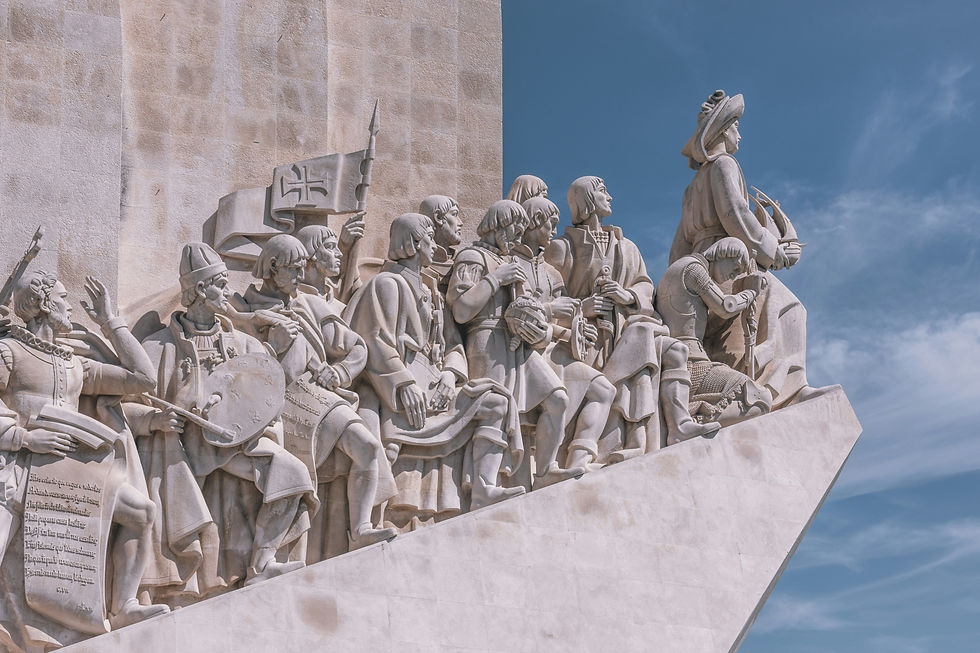
The struggle between Spain and Britain for control of the islands continued throughout the 17th and 18th centuries. Several attempts were made to establish settlements, and the islands frequently changed hands. In the mid-19th century, Britain formally declared the Bay Islands a colony known as the Colony of the Bay Islands. During this period, English language and cultural traditions became deeply rooted in the local population.
However, the British colony was short-lived. In 1861, through diplomatic agreements between Britain and Honduras, the Bay Islands were officially transferred to Honduran sovereignty. Despite this political change, the islands retained a unique cultural identity shaped by their diverse history. English continued to be widely spoken, particularly among the Afro-Caribbean communities descended from freed slaves and settlers from the Cayman Islands and other parts of the Caribbean. Throughout the late 19th and early 20th centuries, the islands’ economy revolved around maritime trade, fishing, and agriculture, including coconut and fruit production. Over time, migration and cultural exchange continued to shape the islands’ society.
The Bay Islands history and culture have inspired a series of book that date from the very early 1900's to present day, many of these written by explorers and native islanders.
In recent decades, the Bay Islands have become one of the most important tourism destinations in Central America. The surrounding waters form part of the Mesoamerican Barrier Reef, the second largest coral reef system in the world, attracting divers and travelers from around the globe. Despite the growth of tourism, the islands still preserve a distinctive blend of Caribbean, Central American, and colonial influences that reflect centuries of history.



Comments